
Families are often told that falls are simply part of aging. Sometimes that is true. Older adults can fall even when a facility is doing many things right. But not every nursing home fall is unavoidable, and that distinction matters. A fall may point to Texas nursing home neglect when the resident’s risks were already known, the facility failed to provide adequate supervision or assistive devices, or staff did not respond appropriately after the incident. In other words, the real question is not just whether your loved one fell. It is whether the nursing home took reasonable steps to prevent a foreseeable fall and protect the resident once it happened.
If you are trying to figure out when a fall is a sign of neglect, it helps to look beyond the single event. Repeated falls, delayed call light response time, poor transfer assistance, medication changes, dementia-related wandering, missing bed alarms, late family notification, vague charting, and unexplained bruising can all tell a bigger story. Below, we break down the warning signs families should watch for, the most common facility failures behind nursing home falls in Texas, the rules these facilities are expected to follow, and the practical steps you can take if your loved one has already been hurt.
- Red flags that suggest a fall may have been preventable
- Common causes of nursing home fall injuries in Texas facilities
- Federal and Texas standards that help define neglect
- Immediate steps families should take after a fall
- When a fall may support a legal claim for neglect or wrongful death
Red Flags That Turn a Fall From an “Accident” Into Possible Neglect
Repeated Falls After Prior Warnings or Known Fall Risk
One of the clearest warning signs of a preventable nursing home fall is that the resident had already shown obvious fall risk before the incident. Maybe your loved one had a history of dizziness, weakness, poor balance, prior falls, confusion, dehydration, or a recent hospital stay that left them less mobile than before. Maybe they had dementia, wandered impulsively, or needed help standing up from the bed, toilet, or wheelchair. Those are not small details. They are the kinds of facts a facility is supposed to capture through a fall risk assessment, MDS assessment, and individualized care plan. When a resident falls once, the home should reassess what happened, review whether the existing plan was enough, and add stronger interventions if needed. A second or third fall often raises the stakes because it suggests the danger was not hypothetical anymore. If staff knew the resident needed one-person or two-person transfer assistance, a gait belt, a toileting schedule, or closer monitoring and those safeguards were not in place, the facility may have ignored a foreseeable risk rather than simply experiencing an unfortunate accident.
Unwitnessed Falls, Delayed Medical Attention, and Conflicting Explanations
Families should also pay close attention when the fall was unwitnessed, the explanation changes from one staff member to another, or no one can clearly say when the resident was last checked. That kind of uncertainty can point to poor supervision, weak staffing, or sloppy documentation. It becomes even more concerning when the resident suffered a serious injury such as a hip fracture, femur fracture, facial bruising, lacerations, spinal injury, or a brain injury like a subdural hematoma or other traumatic brain injury. Older adults can decline quickly after a head strike, especially if they take blood thinners, and delayed neuro checks or delayed transfer to the hospital can make a bad situation much worse. Late family notification is another red flag. If the nursing home waited hours to call, cannot produce a clear incident report, or documented the event with vague charting like “resident found on floor” without explaining the surrounding circumstances, families have every reason to ask harder questions. Severe bruising patterns, pain with movement, or staff responses like “we’re not sure what happened” do not automatically prove neglect, but they often suggest the facility’s story deserves a much closer look.
Why Preventable Nursing Home Falls Happen in Texas Facilities
Understaffing During Toileting, Transfers, and Overnight Hours
In many cases, the real cause of a nursing home fall is not mysterious at all. It is understaffing. Falls happen when a resident presses the call light for help to the bathroom and no one comes for too long. They happen when a resident who needs toileting assistance tries to get up alone because waiting feels impossible. They happen during rushed bed-to-wheelchair transfers, during shift changes, and during evenings, weekends, or overnight hours when fewer staff members are available. This is especially dangerous for residents who have weakness, poor balance, recent surgery, dementia, or physician orders requiring one-person versus two-person assist. If a resident needed a gait belt, stand-pivot help, or two staff members for a safe transfer and the facility assigned just one aide, that is not just a staffing inconvenience; it may be a direct safety failure. Families often do not see this side of the problem until after repeated falls occur, but poor call light response time, skipped rounds, and unfamiliar agency staff can create a pattern where residents are effectively left to manage high-risk movements alone.
Missed Assessments, Medication Problems, and Unsafe Conditions
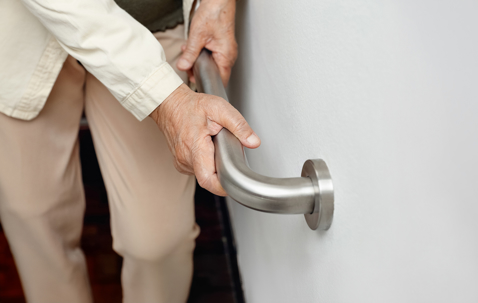
Another major source of nursing home fall liability in Texas is the failure to reassess residents as their condition changes. Fall risk is not static. A resident may become more vulnerable after an illness, infection, medication adjustment, hospitalization, or decline in mobility. Sedatives, sleep medications, antipsychotics, and blood pressure drugs can all increase dizziness, sedation, or orthostatic hypotension, which means the resident may become lightheaded when standing. Add in dehydration, confusion, dementia, wandering, or weakness after bed rest, and the risk rises fast. At the same time, the physical environment matters more than many families realize. Wet floors, poor lighting, clutter, uneven flooring, missing grab bars, unlocked wheelchair locks, broken walkers, improper bed height, missing non-slip footwear, and the absence of appropriate precautions such as bed alarms, chair alarms, low beds, floor mats, or other assistive devices can turn a manageable risk into a preventable injury. When a facility fails both clinically and environmentally, the fall is often the end result of a chain of ignored warning signs rather than a true surprise.
The Rules Facilities Must Follow Before and After a Resident Falls
CMS Standards on Accident Prevention, Supervision, and Resident Safety
Most nursing homes in Texas participate in Medicare or Medicaid, which means they must follow federal standards enforced through the Centers for Medicare & Medicaid Services, or CMS. These rules are important because they frame how resident safety should work in real life. In plain terms, facilities are expected to provide an environment that is free from avoidable accident hazards and to provide adequate supervision and assistive devices to help prevent accidents. That does not mean a nursing home guarantees no resident will ever fall. It does mean the facility is supposed to identify known risks, respond reasonably to foreseeable dangers, and tailor care to the resident’s actual condition. A resident with dementia may need different supervision than a resident who is alert but physically weak. A resident who falls after a medication change may need immediate reassessment. A resident with a history of repeated falls may need more than a generic “watch closely” note in the chart. When a nursing home knew the danger, had the tools to reduce it, and still failed to act, a fall can become powerful evidence that the injury was avoidable rather than inevitable.
Care Plans, MDS Assessments, Post-Fall Reviews, and Texas Public Records
A nursing home’s paperwork often tells the story families are not getting at the bedside. The MDS assessment, nursing evaluations, physician orders, therapy notes, and individualized care plan should show whether the resident had known fall risks and what the facility planned to do about them. Those records should address issues like transfer assistance level, the need for a gait belt, a toileting schedule, medication review, hydration monitoring, wandering precautions, wheelchair safety, and whether staff were expected to use low beds, floor mats, or alarms. After a fall, the facility should conduct a meaningful review, not just write a short incident note and move on. That review may include a root-cause analysis, revised interventions, new physician orders, a care conference, and closer monitoring. Families in Texas should also know they are not limited to the facility’s own explanation. Public oversight matters. Texas Health and Human Services handles nursing facility complaints and inspections, and families can look at survey histories, deficiency citations, and complaint patterns. CMS Care Compare can also provide useful information about staffing and inspection history. If a home has prior survey deficiencies involving falls, supervision, staffing, or accident prevention, that pattern can help families understand whether their loved one’s injury fits into a larger problem.
- Review the resident’s care plan and recent charting
- Ask whether the fall risk assessment was updated after prior falls or medication changes
- Check public inspection and complaint history through Texas and CMS sources
- Look for staffing concerns, accident citations, or repeated supervision deficiencies
What Families Should Do Right Away After a Nursing Home Fall
Get a Full Medical Evaluation for Head Injury, Fracture, and Internal Complications
The first priority is always your loved one’s health. Even a fall that seems minor at first can turn serious very quickly in an elderly resident. A person may not be able to clearly describe pain, especially if they have dementia or communication difficulties, and dangerous injuries can be missed if staff minimize what happened. A resident may have a concussion, a brain bleed, a pelvic injury, internal bleeding, or a fracture that is not obvious until they try to stand or move. That is why a proper evaluation matters so much after any significant fall, and especially after a head strike, loss of consciousness, sudden confusion, vomiting, increased sleepiness, pain with movement, or refusal to bear weight. Residents who take blood thinners face an especially high risk of delayed complications from head trauma. If your loved one has a possible hip fracture, sudden decline in mobility, or signs of a subdural hematoma, timely emergency care can be critical. Families should ask direct questions about what body parts were assessed, whether imaging was performed, whether neuro checks were ordered, and whether a physician was notified immediately after the fall.
Preserve Evidence and Report Concerns Before the Story Changes
Once immediate medical needs are addressed, families should move quickly to preserve evidence. In nursing home cases, the details can get blurry fast. Rooms get cleaned, staff rotate off shift, chart entries are added later, and memories become less reliable by the day. Photograph visible injuries, clothing, the resident’s room, the floor surface, bed position, wheelchair setup, footwear, assistive devices, and anything that looks unusual or unsafe. Ask for copies of the incident report, nursing notes, hospital records, medication administration records, physician notifications, therapy notes, and any documents showing staffing assignments or post-fall review. If the explanation does not add up, raise the issue with the director of nursing or administrator, request a care conference, and consider reporting the matter to the long-term care ombudsman and filing a Texas HHSC complaint. Those steps can help protect the resident while also creating a record that the family challenged the facility’s version of events early.
- Ask for a clear timeline of when the resident was last seen, when the fall occurred, and when the family was notified.
- Take photographs of injuries, the room, equipment, and any apparent hazards.
- Request key records, including charting, medication records, and post-fall monitoring notes.
- Meet with facility leadership and demand an updated care plan to prevent another fall.
- Contact the ombudsman or file a complaint with Texas Health and Human Services if concerns remain.
- Consider speaking with a lawyer quickly if the resident suffered a severe injury or the facility’s explanation keeps changing.
When a Nursing Home Fall Becomes a Neglect Claim or Wrongful Death Case
How to Tell an Unavoidable Fall From a Preventable Fall
This is the question families struggle with most: are all nursing home falls considered neglect? The answer is no. Residents in long-term care are often medically fragile, and some remain at high risk even with careful support. But a fall starts to look preventable when the warning signs were obvious and the response was weak. If staff ignored prior falls, failed to revise the care plan, skipped supervision, did not provide required transfer help, failed to answer call lights, left a resident without needed assistive devices, or did not reassess after a medication change or change in condition, the fall may no longer be fairly described as unavoidable. The same is true when the home does not conduct meaningful post-fall analysis or lets the same resident keep falling without changing anything. In many cases, repeated falls can be a sign of neglect because they show that the facility had multiple opportunities to recognize the danger and intervene before a catastrophic injury occurred.
Who May Be Responsible, What Damages Matter, and When to Talk to a Lawyer
Liability for a preventable nursing home fall may extend beyond the aide who happened to be on duty. Depending on the facts, responsibility can involve the nursing home itself, the corporate owner, a management company, therapy providers, agency staffing companies, or other outside providers whose decisions affected resident safety. In a serious case, damages may include medical expenses, hospitalization, surgery, rehabilitation costs, pain and suffering, disability, reduced mobility, loss of independence, and in the worst situations, wrongful death damages. Texas deadlines can also matter more than families expect. Surveillance footage may be erased, staffing logs can become harder to secure, and witness memories fade quickly. If your family is dealing with a severe fall, repeated falls, a hip fracture, or a head injury in a nursing home, speaking with a lawyer sooner rather than later can help you understand whether the evidence points to simple misfortune or something the facility should have prevented.
Need Help Understanding a Nursing Home Fall in Houston, Texas?
If your loved one was hurt after a fall and you are not getting straight answers, it may be time to talk with a team that handles these cases regularly. The Brothers Law Firm helps families investigate nursing home neglect, including repeated falls, delayed medical care, head injuries, fractures, and other signs that a facility failed to protect a vulnerable resident. If you need guidance from a personal injury law firm in Houston, Texas, contacting The Brothers Law Firm can help you understand your options, preserve important evidence, and decide what to do next.