
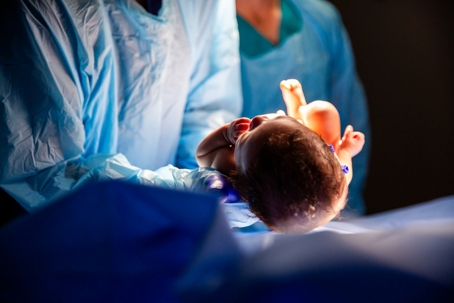
There’s something magical about wintertime, from the crisp cold mornings to the holiday cheer. However, for expectant parents, the winter season can also bring unique challenges, especially when it comes to giving birth. Babies born in this season face different complications, and in some cases, accidents or medical negligence during delivery can lead to long-term consequences for families.
If you or a loved one has experienced birth complications during the winter months, it’s important to understand what risks may be involved, how negligence or accidents play a role, and what legal options are available for your family.
Why Winter Births Carry Unique Risks
Every season presents its own set of challenges when it comes to childbirth, but winter births bring their own twists:
1. Weather Hazards and Delays in Emergency Care
The combination of icy roads, freezing temperatures, and unpredictable winter storms poses a real risk for expecting parents. Accidents on icy Houston roads could delay a trip to the hospital, adding unnecessary stress or even danger to an already critical moment.
Additionally, emergency responders and healthcare workers sometimes face delays reaching patients due to severe weather conditions or even gridlock caused by holiday traffic. These delays can impact the timely and safe delivery of care during labor or childbirth.
2. Higher Risk of Illness
Winter is also peak flu and cold season, and newborns are especially vulnerable to respiratory infections and other illnesses. While hospitals do their best to maintain sanitized environments, babies born in the middle of flu outbreaks may still face increased exposure. Negligence in infection control, like improperly disinfected medical equipment or staff failing to wear protective gear, can further endanger a newborn’s health.
3. Hypothermia or Temperature Regulation Issues
Newborns struggle to regulate their body temperature, and the cold winter weather exacerbates this risk. This means that any mistakes in post-delivery care, such as failing to provide adequate warming for preterm infants, could lead to hypothermia and related health complications.
4. Premature Birth and Complications
Certain studies suggest that preterm births (babies born before 37 weeks) increase slightly during winter months, possibly due to seasonal illnesses or other stressors. Premature babies often face complications, including underdeveloped lungs, low birth weight, and feeding challenges, making skilled medical care essential.
When Accidents or Negligence Lead to Birth Complications
Complications during labor and delivery can happen in any season. But in the winter, the added stress of external factors, combined with potential medical negligence, can increase the likelihood of mistakes. Here are a few examples of how accidents or negligence can complicate winter births:
1. Delayed Medical Attention Due to Weather
Severe Houston weather could lead to a delayed response from emergency services, but healthcare providers are still required to take reasonable steps to protect mother and baby. For instance, local hospitals should have contingency plans for labor emergencies caused by bad weather. Failing to prepare for these situations could place families at risk.
2. Failure to Address Birth Complications in Time
Prolonged labor, fetal distress, or issues such as preeclampsia need timely responses from medical staff. A delayed cesarean section due to scheduling errors or improper prioritization during seasonal surges in hospital admissions could have lifelong consequences for the mother and baby.
3. Negligence in Monitoring and Care
Errors in fetal monitoring, medication administration, or post-birth care are common forms of medical negligence that can result in harm. For example:
- Administering an incorrect dose of medication during labor
- Failing to monitor or treat low oxygen levels in a newborn
- Not noticing signs of maternal hemorrhage post-delivery
Whether it’s a lack of proper training, understaffing, or failure to follow standard procedures, these mistakes can turn a joyful occasion into a devastating experience for families.
4. Birth Injuries
Mistakes during labor and delivery can lead to birth injuries such as:
- Brachial plexus injuries caused by improper handling during delivery
- Traumatic brain injury due to errors in using delivery tools like forceps or vacuum extractors
- Chronic conditions like cerebral palsy due to inadequate oxygen supply during birth
If these injuries were caused by negligence, families may have grounds to take legal action and seek compensation for medical care and other impacts.
How a Personal Injury Attorney Can Help
Birth complications impact families emotionally, physically, and financially. If you suspect your baby’s condition was caused or worsened by an accident, medical negligence, or substandard care, working with a personal injury attorney can guide you through your next steps. Here’s how they can help:
1. Conduct an Investigation
A qualified attorney will start by gathering evidence, including medical records, witness accounts, and expert opinions, to determine whether an injury could have been avoided.
2. Identify Those Responsible
From negligent obstetricians to improperly prepared hospitals, your lawyer will identify whether one or more parties were responsible for the harm caused to your child or family.
3. Seek Compensation for Your Losses
The costs associated with preventable birth injuries can be overwhelming, including medical bills, specialized equipment, therapy, and even lost income due to caring for your child. A personal injury lawyer can calculate these expenses and fight for fair compensation.
4. Support You Through the Legal Process
Legal procedures, especially medical malpractice claims, can feel intimidating. But with legal representation, you don’t have to handle it alone. Your lawyer will manage the paperwork, negotiations, and litigation while you focus on your family’s needs.
Taking Proactive Steps to Protect Your Family
While not all birth complications can be prevented, there are actionable steps families can take to reduce risks during winter births:
1. Create a Plan for Adverse Weather
Identify the safest route to the hospital and have a backup plan if roads become unsafe. Discuss contingency plans with your doctor ahead of your due date.
2. Monitor Your Health Closely
Attend prenatal appointments regularly and communicate any concerns about your health or baby’s development. Early detection of potential complications can prevent emergencies later.
3. Ask About Hospital Preparedness
Make sure your hospital is well-equipped to handle winter emergencies, including access to neonatal intensive care if needed.
4. Document Everything
Keep a journal during your pregnancy and childbirth experience, documenting any unusual events or concerns. These records can be invaluable if you need legal help later.
5. Advocate for Your Baby
If a nurse or physician’s explanation doesn’t feel right, don’t hesitate to seek a second opinion or request additional testing. Knowing when to push for further care could prevent missed diagnoses or delayed treatment.
Houston Birth Injury Attorney
At The Brothers Law Firm, based in Houston, Texas, we understand the pivotal role quality guidance and support play in protecting your family’s interests. Whether preparing for a winter birth or navigating complexities that arise, our dedicated team is ready to assist. Contact us today at (903) 829-3877 for comprehensive advice and advocacy catered to your needs, ensuring every concern is met with experienced care and local understanding.